In the relentless pursuit of optimal health, we often look for complex solutions. We spend thousands of dollars on exotic superfood powders, intricate skincare routines, and high-tech biohacking gadgets.
Yet, we completely ignore the most profound, fundamental, and powerful wellness tool available to us: water.
The human body is not just dependent on water; it is literally made of it. Averaging around 60% water by weight, every single cellular process, organ function, and cognitive spark in your body requires adequate hydration to operate efficiently.
Understanding the power of hydration goes far beyond simply quenching your thirst. It is about unlocking a biological advantage. In this comprehensive guide, we will explore the deep science behind cellular hydration, how water acts as your ultimate wellness ally, and how you can optimize your daily intake for peak physical and mental performance.
The Science of Cellular Hydration
To truly grasp why water is so vital, you have to look at your body on a microscopic level. Your cells are essentially tiny water balloons.
Inside these cells is intracellular fluid, and surrounding them is extracellular fluid. Water moves back and forth across the cell membrane to transport vital nutrients in and flush metabolic waste out.
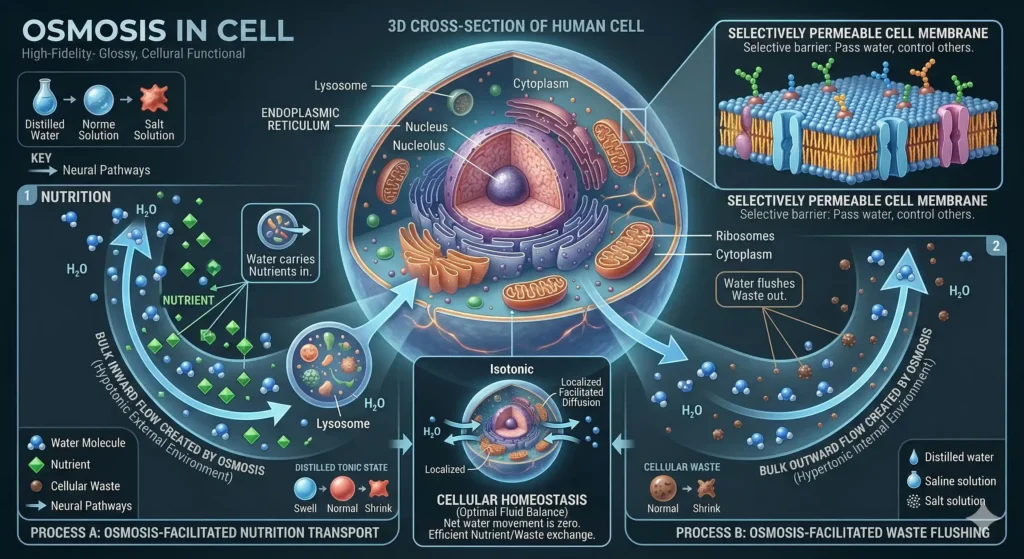
When you are optimally hydrated, your cells are plump, resilient, and highly efficient. When you are dehydrated, your cells shrivel. This impairs their ability to generate ATP (cellular energy), leading to systemic fatigue.
Furthermore, water acts as the primary building block for blood plasma. Adequate hydration ensures your blood maintains the perfect viscosity to flow effortlessly through your veins, reducing the strain on your cardiovascular system.
How Hydration Supercharges Your Brain
Your brain is the most water-dependent organ in your body, composed of nearly 73% water. Even the slightest drop in hydration can lead to a noticeable decline in cognitive function.
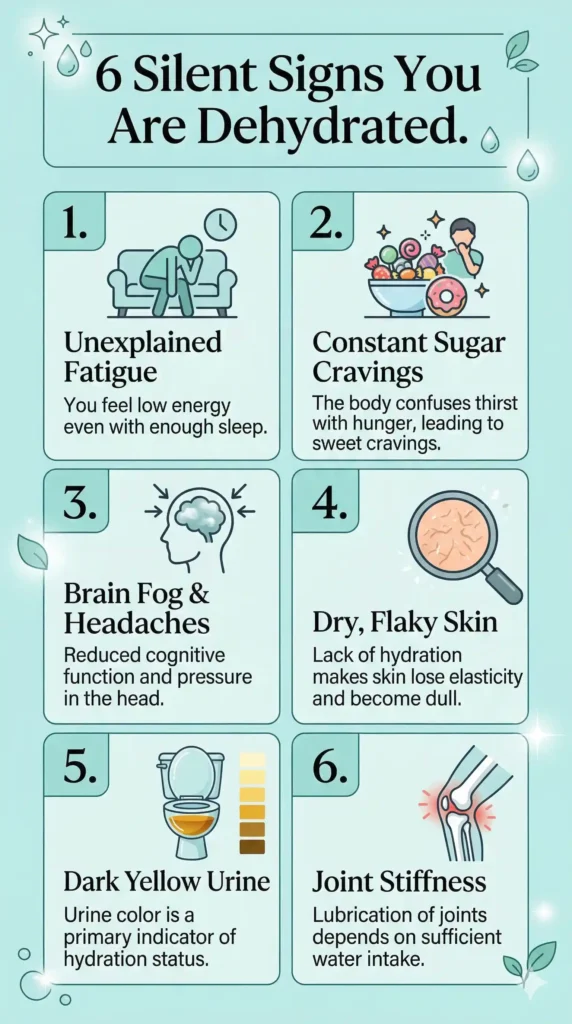
When you lose just 2% of your body’s water volume, your cognitive engine begins to stall. You experience reduced concentration, delayed reaction times, and significant fluctuations in your mood.
This happens because dehydration physically shrinks the brain tissue slightly, pulling it away from the skull and triggering tension headaches. Furthermore, water is essential for the production of neurotransmitters and hormones in the brain.
If you frequently find yourself staring at a screen unable to focus, a tall glass of water might be more effective than a shot of espresso. In fact, optimizing your hydration is one of the foundational steps in learning how to clear brain fog instantly and returning to a state of sharp mental clarity.
The Secret to Radiant, Ageless Skin
The beauty industry is a multi-billion-dollar machine, but no topical cream can compensate for chronic internal dehydration. Your skin is your body’s largest organ, and like any other organ, it requires water to function at its best.
When you are adequately hydrated, your skin maintains its elasticity and structural integrity. Water plumps up the skin cells, naturally filling in fine lines and giving your complexion a radiant, youthful glow.
Conversely, dehydration leads to dry, tight, and flaky skin. It also impairs your body’s ability to flush out toxins through sweat, which can lead to clogged pores and acne breakouts.
While practicing a dedicated skincare routine is highly beneficial—such as learning the techniques in our ultimate face massage guide to stimulate blood flow—these practices must be paired with deep, internal hydration to truly banish wrinkles and achieve lasting radiance.
Physical Performance, Energy, and Joint Health
Whether you are an elite athlete or just trying to get through a busy workday, hydration is the bedrock of your physical stamina.
During physical exertion, your body generates immense heat. Sweating is your primary thermoregulatory mechanism, cooling you down as water evaporates from your skin. If you do not replenish this lost water, your core temperature rises, and your muscles fatigue rapidly.
Water also acts as a vital lubricant. Your joints, spinal cord, and tissues are protected by synovial fluid, which is heavily composed of water. Chronic dehydration thickens this fluid, leading to friction, joint pain, and an increased risk of injury.
If you often feel physically depleted, you can start tracking your lifestyle habits and baseline energy levels using a vitality index calculator. You will likely find a direct correlation between the days you drink enough water and the days you feel physically unstoppable.
The Silent Stress of Dehydration
Dehydration is a physiological stressor. When your body senses that water is scarce, it goes into a mild state of panic.
Your hypothalamus signals your adrenal glands to release cortisol, the body’s primary stress hormone. This means that simply failing to drink enough water can keep you locked in a state of low-grade anxiety all day long.
This elevated cortisol further depletes your energy reserves and disrupts your sleep patterns. If you are struggling with daily anxiety, assessing your total allostatic load using a stress level calculator is important, but pouring yourself a large glass of water is the easiest first step to calming your nervous system.
Digestion, Detoxification, and Weight Management
Water is the unsung hero of your digestive system. It starts working the moment food enters your mouth, forming the basis of saliva.
In your stomach, water mixes with digestive enzymes to break down food efficiently. In your intestines, water binds with soluble fiber to create soft, easily passable stool. Without enough water, your colon pulls moisture from your food waste, leading to severe constipation and bloating.
Furthermore, hydration plays a massive role in natural detoxification. Your kidneys rely entirely on water to filter waste products from your bloodstream and excrete them via urine.
When it comes to weight management, water is a potent tool. Thirst is often mistaken for hunger by the brain. Drinking a large glass of water 30 minutes before a meal stretches the stomach lining, sending satiety signals to the brain and preventing overeating.
How Much Water Do You Actually Need?
For decades, we have been told to drink “eight 8-ounce glasses of water a day.” While the 8×8 rule is easy to remember, it is a massive oversimplification.
Your actual hydration needs depend on your body weight, activity level, climate, and overall health. According to guidelines provided by the Harvard T.H. Chan School of Public Health, a general rule of thumb is for men to consume about 15.5 cups (3.7 liters) and women about 11.5 cups (2.7 liters) of total fluid per day.
However, this includes fluids from all beverages and water-rich foods. A more personalized approach is to aim for half your body weight in ounces of water per day. For example, if you weigh 160 pounds, you should aim for a baseline of 80 ounces of water daily.
The experts at the Mayo Clinic also remind us that urine color is the ultimate indicator. You should aim for a pale, straw-like yellow. If it is completely clear, you might be overhydrating; if it is dark yellow or amber, you need water immediately.
Electrolytes: The Missing Link in Hydration
Drinking massive amounts of plain water is not always the answer, especially if you are sweating heavily. You must also maintain your electrolyte balance.
Electrolytes are essential minerals—like sodium, potassium, magnesium, and calcium—that carry an electrical charge. They direct water to where it needs to go inside your body.
If you drink too much plain water without replacing electrolytes, you can dilute your blood’s sodium levels, a dangerous condition known as hyponatremia. To ensure deep cellular hydration, consider adding a pinch of high-quality sea salt or an electrolyte powder to your water, particularly after an intense workout or on a hot day.
Practical Hacks to Drink More Water
Knowing the power of hydration is one thing; actually drinking enough water is another. If you struggle to hit your daily goals, try these actionable hacks:
- Front-Load Your Day: Keep a large glass of water on your nightstand. Drink it immediately upon waking to replenish the water lost through respiration during the night.
- Tie it to a Habit: Drink a glass of water every time you brush your teeth, make a cup of coffee, or sit down at your desk.
- Make it Exciting: If plain water bores you, infuse it with slices of lemon, cucumber, fresh mint, or berries.
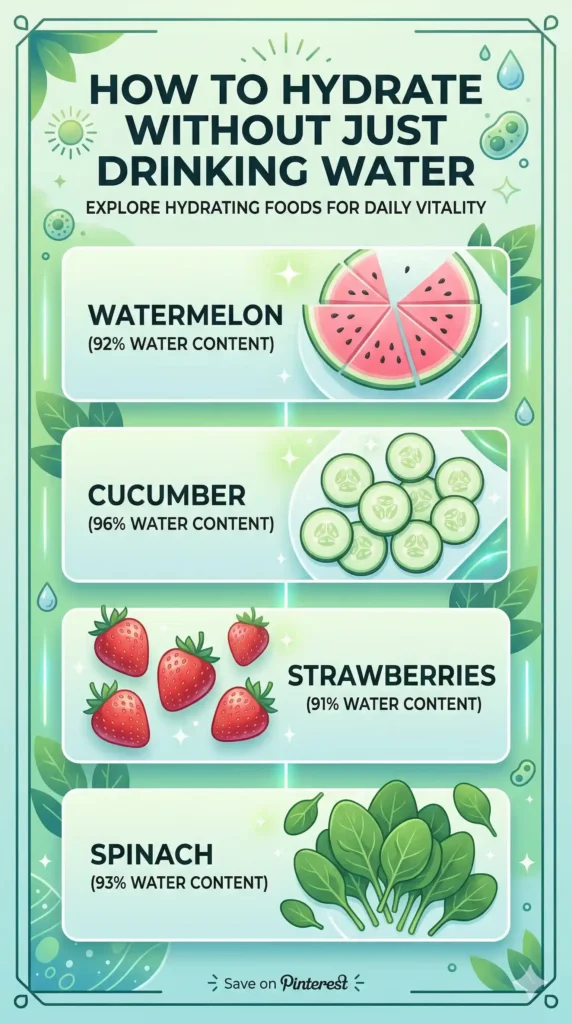
- Eat Your Water: Roughly 20% of our daily water intake comes from food. Incorporate water-dense foods like watermelon, celery, and spinach into your diet.
- Invest in a Great Bottle: Buy a high-quality, insulated water bottle that you actually like looking at and carrying around.
Water is the very essence of life. By consciously tracking and optimizing your hydration, you are not just quenching a thirst—you are unlocking a profound biological advantage that elevates your mind, body, and spirit.
Frequently Asked Questions (FAQs)
-
1. Does coffee or tea count toward my daily water intake?
Yes. While caffeine has a mild diuretic effect, the water content in a cup of coffee or tea far outweighs the amount of fluid lost. Therefore, caffeinated beverages still contribute to your overall daily hydration goals.
-
2. Is it possible to drink too much water?
Yes, though it is rare. Overhydration can lead to water intoxication (hyponatremia), where the electrolytes in your body become dangerously diluted. This is why it is crucial to balance high water intake with adequate sodium and minerals.
-
3. Does drinking ice-cold water burn more calories?
Technically, yes, because your body expends a tiny amount of energy to heat the water to your core body temperature. However, the caloric burn is incredibly minimal (about 8 calories per glass) and is not a viable strategy for significant weight loss.
-
4. Why do I feel thirsty even after drinking a lot of water?
If you are constantly drinking water but still feel unquenchable thirst, you may be lacking electrolytes, meaning the water is passing through you without entering your cells. Alternatively, excessive thirst can be an early warning sign of conditions like diabetes, so consult a doctor if it persists.
-
5. Is sparkling water just as hydrating as still water?
Absolutely. Carbonated water is just as hydrating as flat water. Just be sure to read the label and avoid sparkling waters that are loaded with hidden sugars or artificial sweeteners.
Pingback: 5 Everyday Stretches to Relieve Tension and Boost Flexibility Fast - Gramonify
Pingback: 10 Science-Backed Morning Routines to Supercharge Your Energy and Focus - Gramonify
Pingback: 10 Science-Backed Ways to Keep Your Heart Healthy and Strong - Gramonify