The way you spend the first sixty minutes of your day acts as a rudder for the next sixteen hours. Most people wake up in a state of “reactive mode”—checking emails, scrolling through social media, or rushing to beat the clock. This immediate influx of external stimuli spikes cortisol levels unnaturally and fragments your attention span before your feet even hit the floor.
To achieve peak performance and maintain high cognitive energy, you must transition from a reactive morning to a proactive one. By implementing evidence-based routines, you can align your biological clock with your daily goals.
1. The Power of Immediate Hydration
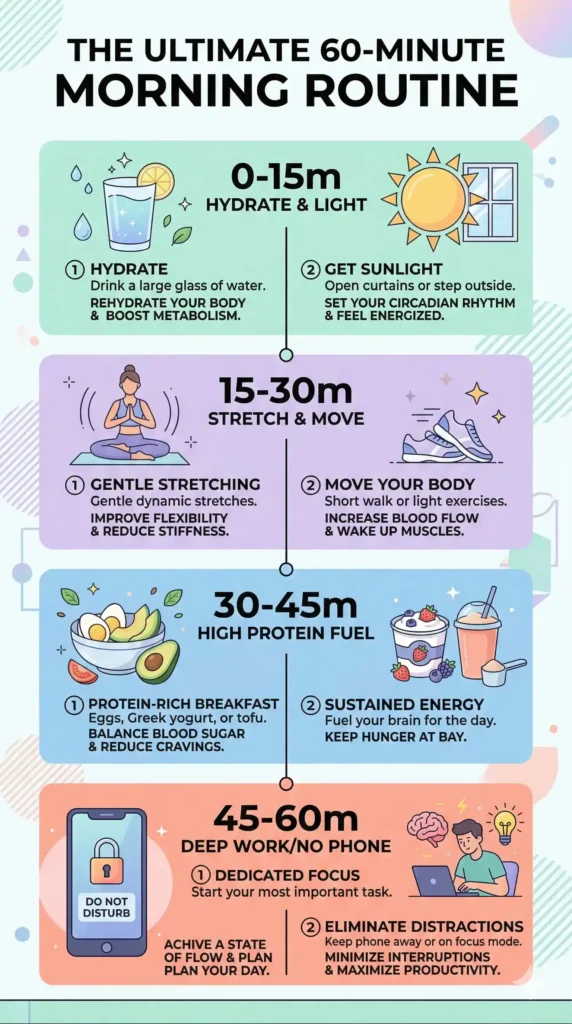
After 7–9 hours of sleep, your body is in a state of physiological dehydration. Even mild dehydration can lead to brain fog, fatigue, and decreased mood. Before you reach for the caffeine, drink at least 16 ounces of filtered water.
This simple act jumpstarts your metabolism and assists the kidneys in flushing out toxins accumulated during the night’s repair cycle. For an added boost, adding a pinch of sea salt or a squeeze of lemon can provide essential electrolytes that enhance cellular hydration.
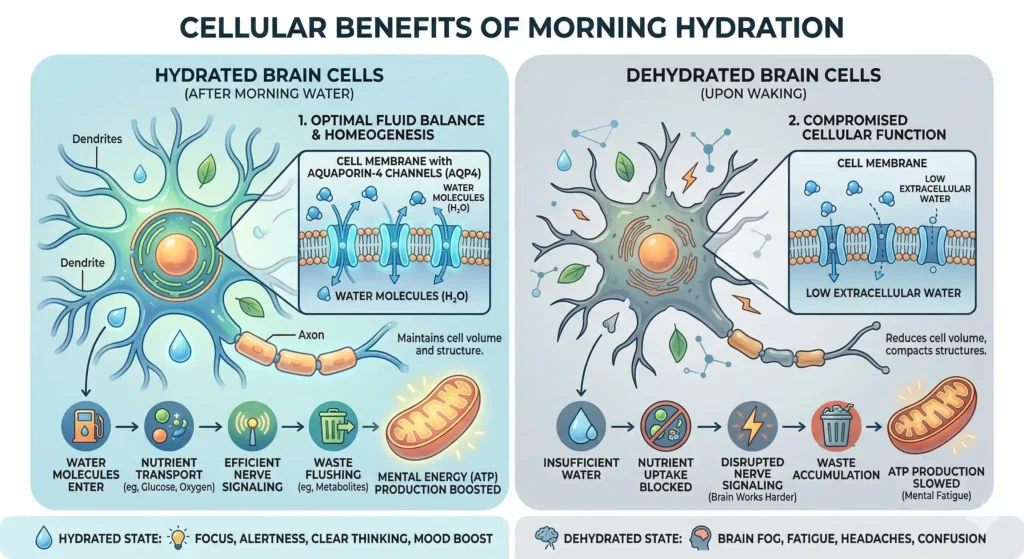
As you focus on internal wellness, remember that the power of hydration is your best wellness ally in maintaining long-term vitality.
2. Seek Natural Sunlight Within 30 Minutes
One of the most critical triggers for your “Superbrain” is viewing natural sunlight shortly after waking. This isn’t just about feeling the warmth; it’s about biology. When sunlight hits your retinas, it triggers the release of cortisol (the “alertness” hormone) and sets a timer for melatonin production later that night.
According to research from institutions like the Stanford University School of Medicine, viewing sunlight for 10–20 minutes suppresses adenosine—the chemical responsible for sleep pressure—effectively clearing morning grogginess.
3. Movement and Dynamic Stretching
You don’t need a grueling 60-minute workout at 6:00 AM to see results. Simple movement signals to your nervous system that it is time to be active. Physical activity increases blood flow to the prefrontal cortex, the area of the brain responsible for executive function and decision-making.
If you feel stiff upon waking, try these 5 everyday stretches to relieve tension to wake up your muscles and improve circulation. This physical priming reduces the “heavy” feeling often associated with sleep inertia.
4. Master the “Cortisol Awakening Response”
Your body has a natural peak in cortisol roughly 30 to 45 minutes after waking. This is known as the Cortisol Awakening Response (CAR). If you consume caffeine during this window, you actually interfere with your body’s natural alertness mechanism and build a higher tolerance to coffee.
Wait at least 90 minutes after waking before having your first cup of coffee. This allows your system to clear out leftover adenosine naturally, preventing the dreaded afternoon crash. If you find yourself struggling with focus during this transition, you might be wondering how to clear brain fog through alternative neurological methods.
5. Cold Exposure for Neurochemical Focus
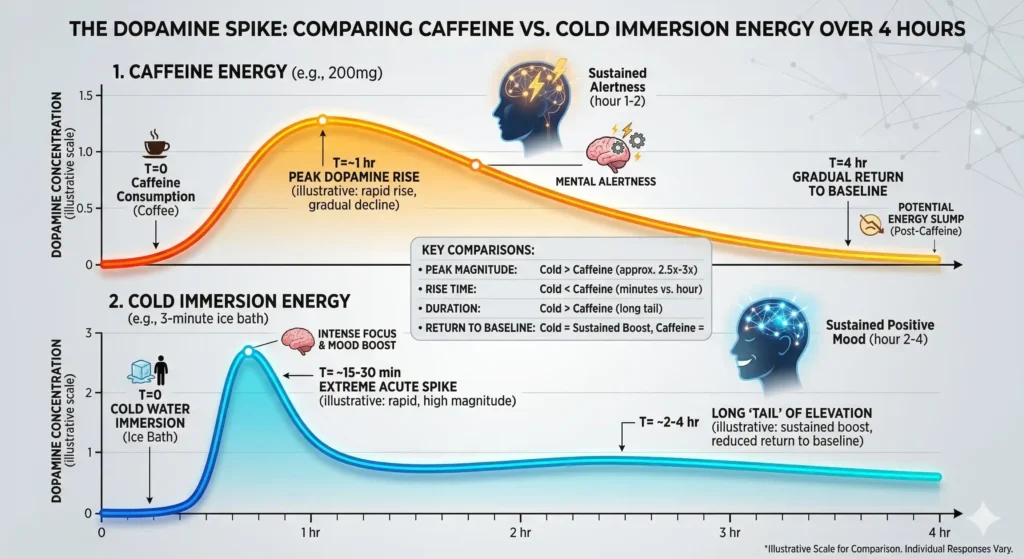
While a warm shower feels better, a 30-second burst of cold water at the end of your shower can provide a massive spike in dopamine and norepinephrine. This neurochemical surge isn’t just a temporary jolt; it can sustain your focus and mood for several hours. Cold exposure helps regulate the autonomic nervous system, making you more resilient to stress throughout the work day.
6. High-Protein Breakfast Over High-Carb
The typical “continental breakfast” of toast, juice, and cereal is a recipe for insulin spikes and subsequent energy crashes. To maintain a steady flow of energy, prioritize protein and healthy fats.
Protein provides the amino acids necessary for neurotransmitter production, specifically tyrosine for dopamine. If you are unsure of your requirements, using a free protein intake calculator can help you tailor your morning meal to your specific body weight and activity levels.
7. Deep Work or Micro-Learning
Your brain is most “plastic” and receptive in the morning hours. Instead of consuming passive content, engage in 20 minutes of “Deep Work” or skill acquisition. Whether it’s reading a technical manual, practicing a language, or tackling your hardest task first (the “Eat the Frog” method), your cognitive load capacity is at its peak.
This is the optimal time to learn how to activate your superbrain by engaging in high-level problem-solving before the distractions of the day take over.
8. Mindfulness and Box Breathing
Stress management begins in the morning. Even five minutes of mindfulness can lower your baseline heart rate and improve your emotional regulation. Box breathing—inhaling, holding, exhaling, and holding for 4 seconds each—is a technique used by elite performers to stabilize the nervous system.
Managing your morning stress levels is vital for long-term health. High chronic stress can lead to systemic issues, which is why monitoring your state via tools like the American Psychological Association’s resources on stress management is highly recommended for modern professionals.
9. Visualizing the Day’s Wins
Before opening your laptop, visualize the three most important things you need to accomplish. This isn’t just “manifesting”; it’s a cognitive exercise called “mental rehearsal.” By visualizing yourself completing a task, you prime your brain’s Reticular Activating System (RAS) to look for the resources and opportunities needed to make that goal a reality.
10. The “No-Phone” Zone
This is perhaps the most difficult but most rewarding routine. Protect your dopamine receptors by staying off your phone for the first hour of the day. When you check notifications immediately, you are essentially letting the world’s problems dictate your internal state. By staying offline, you keep your mental “workspace” clean and focused on your own priorities.
Conclusion
Building a morning routine isn’t about perfection; it’s about consistency. You don’t have to implement all ten steps tomorrow. Start by picking two—perhaps hydration and sunlight—and master those for a week. By systematically upgrading your morning, you aren’t just “getting through the day”—you are designing a life of high-performance and sustained wellness.
Frequently Asked Questions
-
How long does it take to see results from a new morning routine?
Most people feel an immediate difference in energy levels within 3 to 5 days, especially with hydration and sunlight. However, structural changes in focus and habit formation typically take 21 to 66 days to become “automatic.”
-
Is it okay to skip the routine on weekends?
While flexibility is important, your circadian rhythm doesn’t know it’s Saturday. Try to keep your wake-up time within an hour of your weekday schedule to prevent “social jetlag,” which can make Monday mornings much harder.
-
I’m a “Night Owl,” can these routines still work for me?
Absolutely. Even if your day starts later, the biological principles remain the same. Sunlight, hydration, and delaying caffeine are universal physiological needs, regardless of what time the sun actually rose.
-
What if I only have 15 minutes?
Focus on the “Big Three”: Drink 16oz of water, step outside for 5 minutes of light, and avoid your phone. These three actions provide 80% of the benefits in 20% of the time.